
Thermostat Repair in the USA
Ice HVAC sends technicians to handle Thermostat Repair when temperature readings drift or the air conditioning system stops responding. A faulty thermostat sends incorrect signals to the compressor and blower motor. This leaves the home too warm while the outdoor unit runs without cycling off properly. Our crews test low voltage at the terminals first and check wire connections for corrosion or loose terminals that interrupt the call for cooling.
Technicians also verify that the thermostat matches the system type before any work begins. Mismatched controls create short cycling or constant fan operation. Ice HVAC carries common replacement models that fit single stage and heat pump setups. The process includes pulling the old base, labeling wires and mounting the new control without disturbing refrigerant lines or coil access panels. Homeowners verify thermostat settings prior to Ice HVAC completing thermostat repair work in USA through homepage.
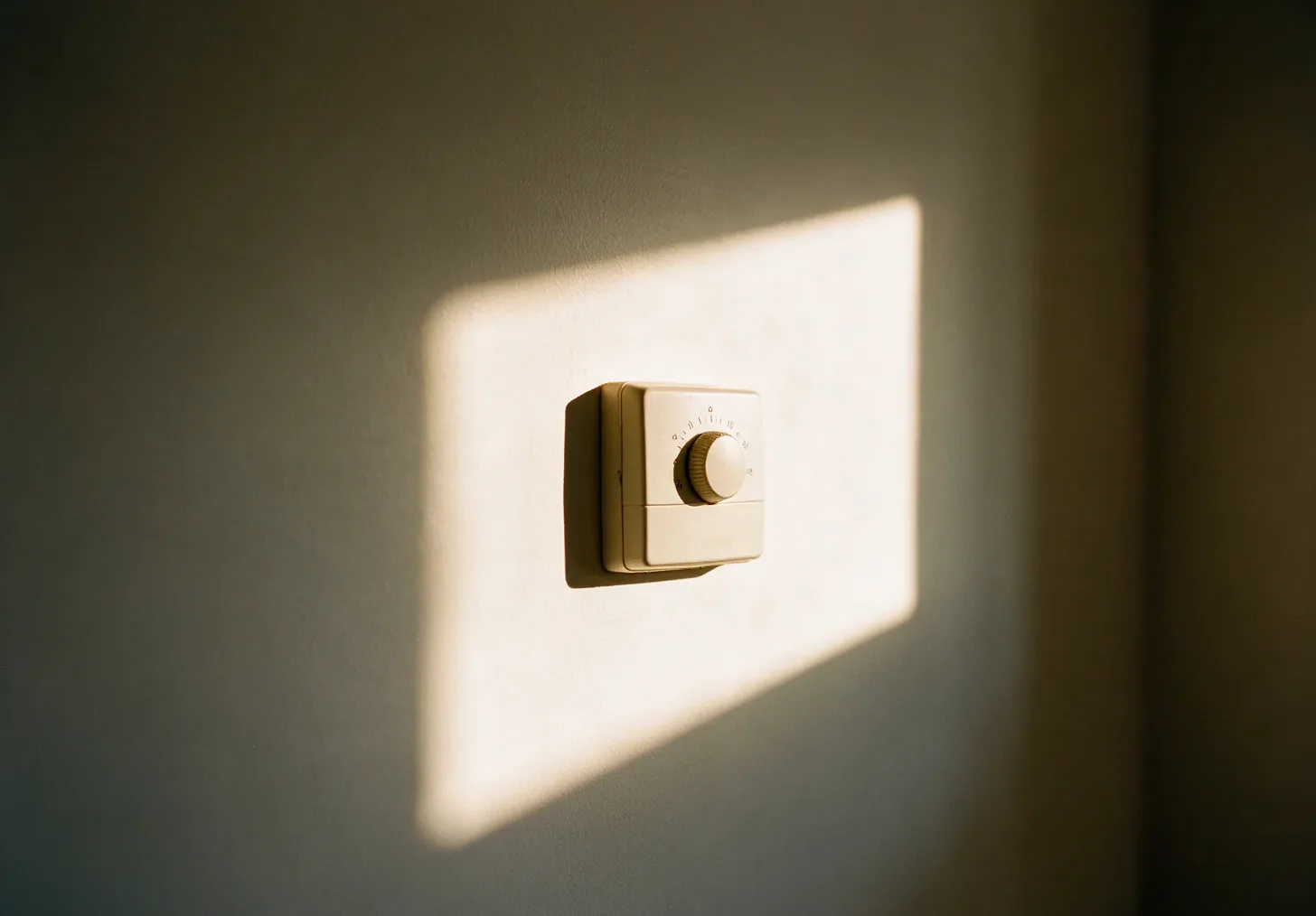
Clear Indicators of Thermostat Trouble
- Air conditioning runs nonstop yet indoor temperature stays high
- Display shows wrong room temperature by several degrees
- System turns on and off every few minutes without reason
- Fan blows continuously even when cooling is turned off
- No response when temperature setting is changed on the control
Frequent Causes Behind Failed Controls
Thermostat failure often starts with drained batteries that stop the display and prevent signal transmission to the contactor. Dust inside the housing can block the temperature sensor and cause inaccurate readings that keep the compressor running past the target. Power surges through the low voltage circuit damage the board and create open circuits that technicians locate with a multimeter during diagnosis.
Wiring that has worked loose at the terminal screws interrupts the 24 volt signal and leaves the outdoor unit silent. Older mercury bulb models lose accuracy when the tube tilts or the contacts pit. Ice HVAC replaces these with digital models that maintain calibration and support modern airflow settings without additional wiring changes in most homes.
Measurements and Checks Performed On Site
Technicians begin by confirming 24 volts at the R and C terminals then move to the Y and G circuits while watching for proper relay engagement. They measure resistance across the temperature sensor to verify calibration against actual room conditions. Airflow across the evaporator coil is checked next because a stuck fan relay from the thermostat can reduce cooling capacity and raise head pressure on the condenser.
Coil temperature and capacitor condition are noted when the system fails to start after a new thermostat is installed. Any wiring short to ground is isolated before power is restored. These steps isolate whether the issue stays in the control or extends to the contactor or capacitor that protects the compressor.
Repair Choices and Replacement Parts Used
Minor issues such as loose terminals or dead batteries are corrected on the spot with basic hand tools. When the board shows damage from voltage spikes or corrosion, the entire unit is replaced with a compatible digital model. Ice HVAC stocks both battery powered and hardwired options that accept the existing wire colors without adapters.
For homes with variable speed blowers, a communicating thermostat may be installed to match the equipment control board. The new unit is programmed for the correct stages and fan speed settings before the cover is replaced. All removed parts are carried away so nothing remains at the job site.
Actions Homeowners Can Take Immediately
Homeowners should first replace the batteries and confirm the system switch sits in the cool position with the fan set to auto. Checking the breaker that feeds the indoor unit rules out a simple power loss before a technician is called. Adjusting the set point several degrees can sometimes restart a stalled cycle if the contacts have stuck from infrequent use.
Do not attempt to open the furnace or air handler panel. Leave refrigerant lines and coils untouched. Note the exact sequence of events such as whether the outdoor unit hums but does not start or whether the indoor fan runs alone. This information helps our technicians bring the correct replacement parts on the first visit.
Thermostat Repair questions
How do technicians test a thermostat that shows no power?
They measure voltage between R and C at the control and then check each output terminal while calling for cooling. A reading below 24 volts points to a transformer or wiring issue rather than the thermostat itself. The capacitor and contactor are tested next to confirm the signal reaches the outdoor unit.
Can a bad thermostat damage the air conditioning system?
Yes. Constant running from a failed sensor keeps the compressor on longer than designed and can overheat the motor or freeze the evaporator coil. Short cycling from bad contacts wears the contactor and stresses the capacitor. Ice HVAC replaces the control before these conditions affect the rest of the equipment.
What parts are typically replaced during Thermostat Repair?
The control unit, mounting base and sometimes the wire harness if terminals are corroded. Batteries are changed if the model uses them. No refrigerant or coil work occurs unless separate problems are found on the evaporator or condenser during the same visit.
Will a new thermostat improve cooling performance?
Accurate temperature sensing allows the system to reach the set point and shut off on time. This prevents excess humidity and reduces strain on the compressor. Ice HVAC selects models that match the existing stages so airflow and refrigerant pressures stay within design limits.
Schedule Thermostat Repair
Contact Ice HVAC for Thermostat Repair when your air conditioning stops responding to temperature changes.