Skip to content
AC Repair · the USA(888) 502-0473
Call (888) 502-0473

Our HVAC services

Ice HVAC technicians respond to systems that lose cooling capacity when heat loads climb. They measure static pressure across the duct system, check capacitor microfarad ratings, and verify that the evaporator coil maintains proper superheat and subcooling values before any component is replaced.

Our crews restore operation by isolating whether the problem originates in the outdoor condenser fan motor, the reversing valve on heat pumps, or low refrigerant charge caused by a pinhole leak in the evaporator circuit. Every service below is available from Ice HVAC across the USA.

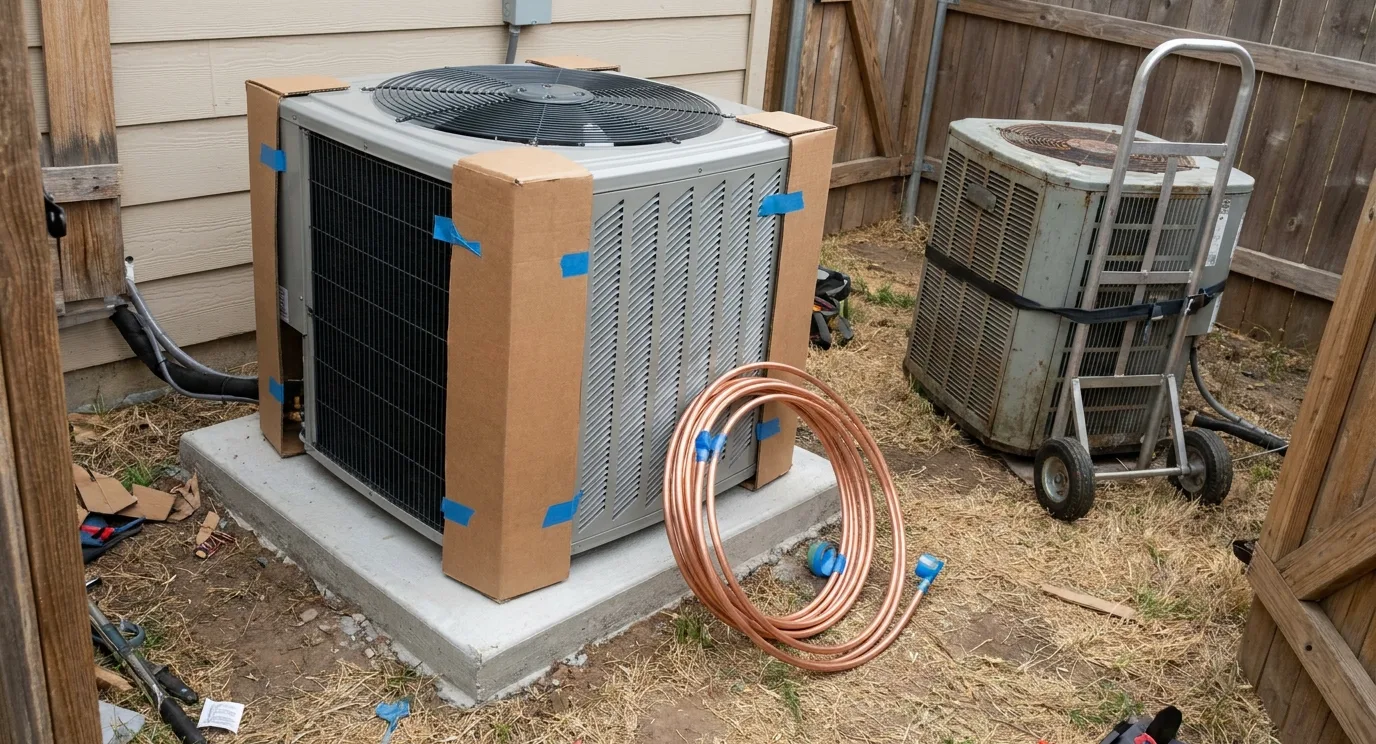
A new condenser being set

AC Installation

Ice HVAC places new systems by first calculating the Manual J load for the structure then selecting equipment with the correct SEER rating and refrigerant type. Technicians pressure test the line set, pull a deep vacuum, and weigh in the factory-specified charge so the unit starts within design pressures on the first run.
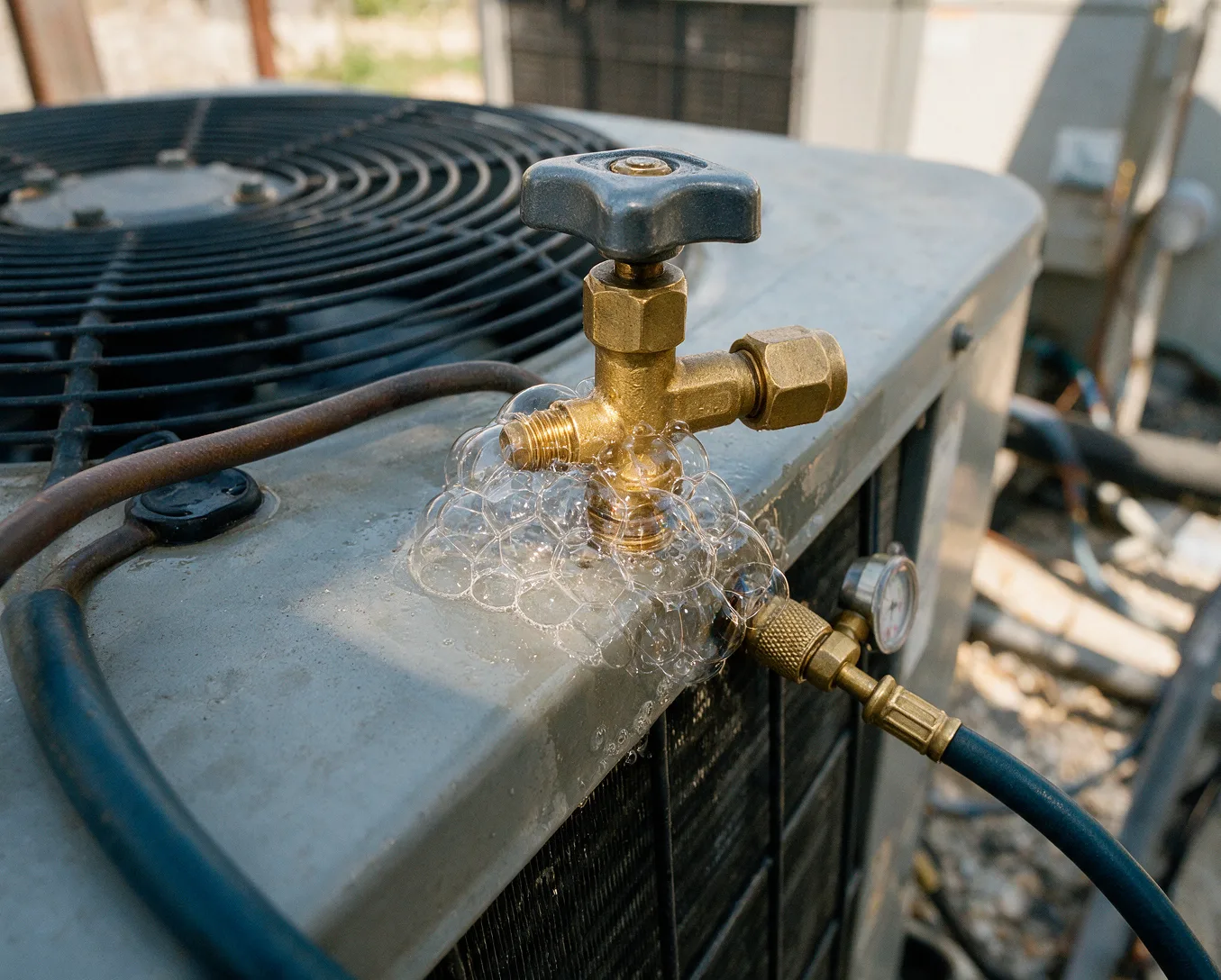
Leak test bubbles on a valve

Refrigerant Leak Repair

Technicians use electronic leak detectors and nitrogen pressure tests to locate leaks in the copper circuit. After repair they evacuate the system to 500 microns, recharge to the nameplate ounces, and monitor superheat to confirm the evaporator is no longer starved.

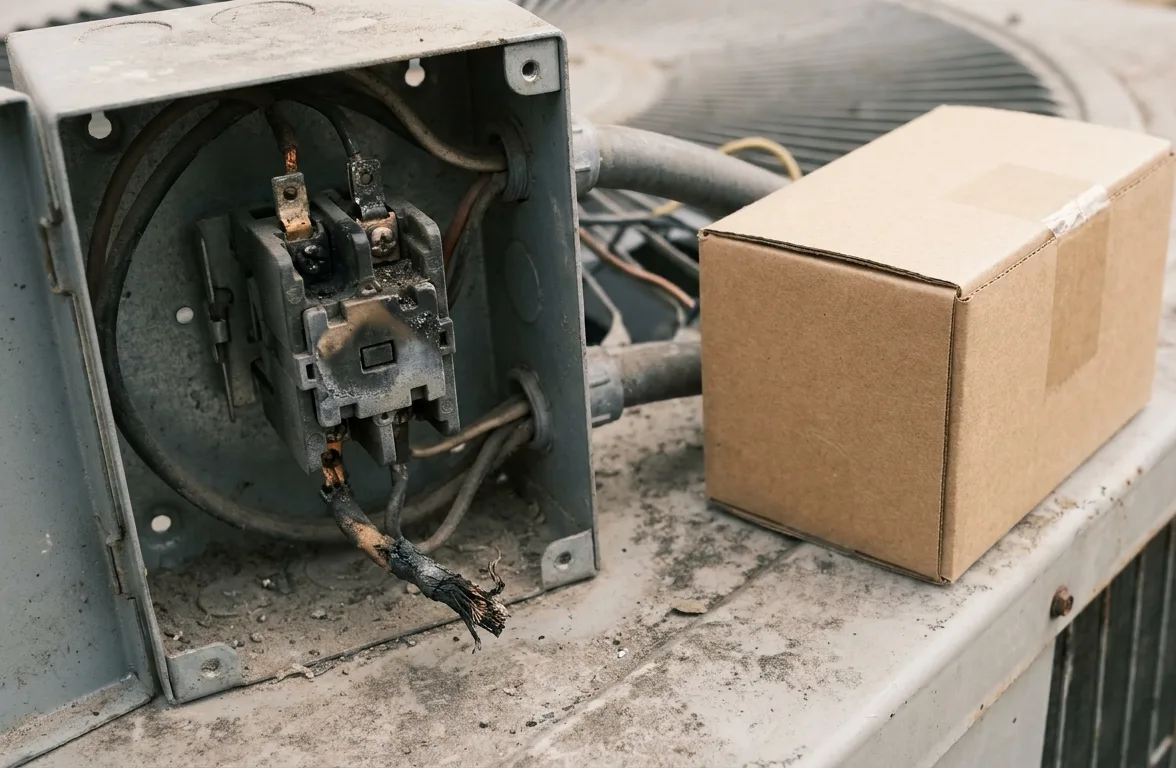
A pitted contactor inside a condenser

Condenser Repair

When the outdoor unit fails to reject heat, crews inspect fan blade pitch, clean debris from the coil fins, and test the run capacitor and contactor. They also verify that the compressor windings show balanced resistance before restoring power.

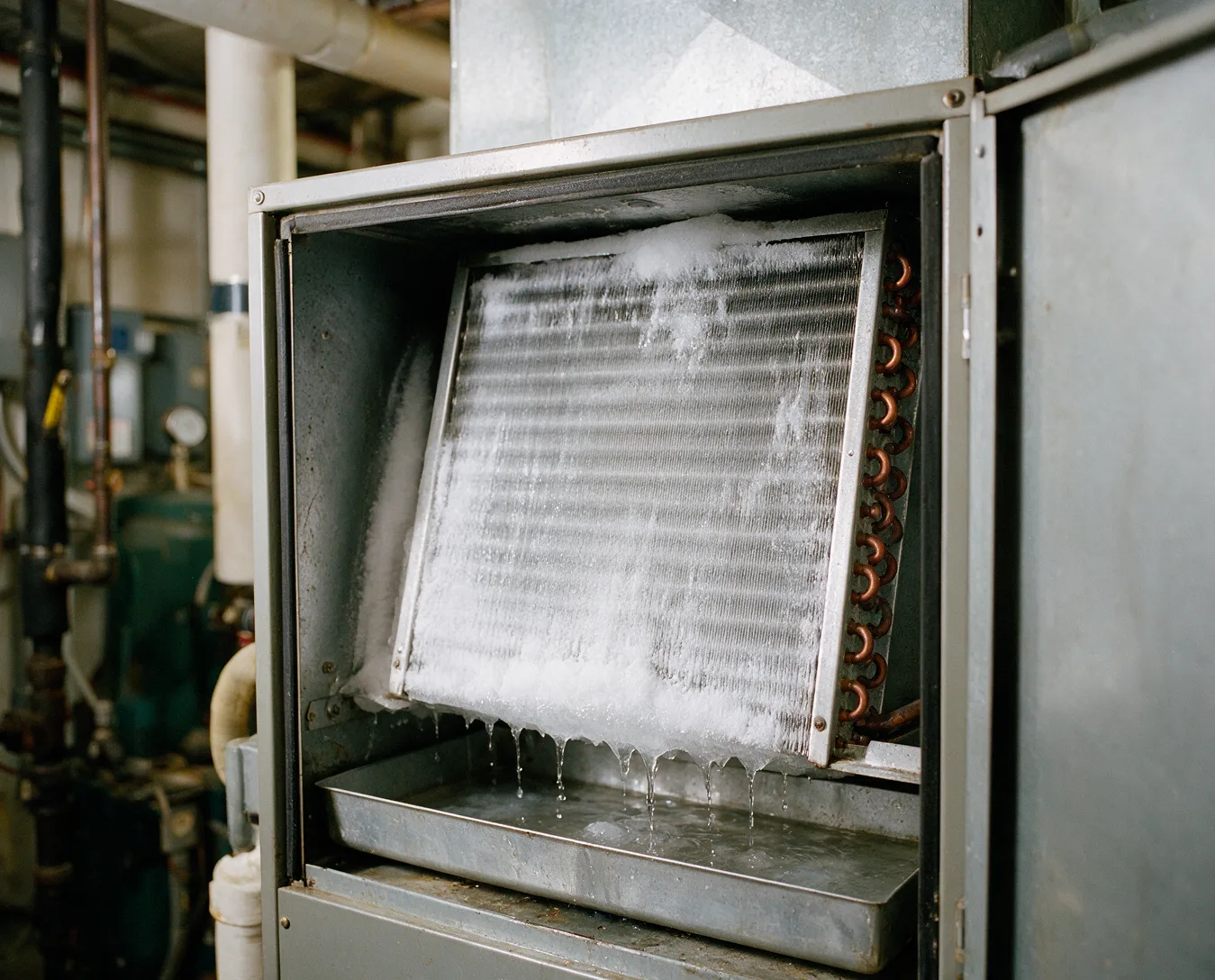
A frozen evaporator coil

Evaporator Coil Repair

Restricted airflow or low suction pressure often traces to a dirty or corroded evaporator. Technicians remove the coil when possible, flush with approved cleaner, straighten fins, and confirm drain pan slope so condensate exits without overflow.

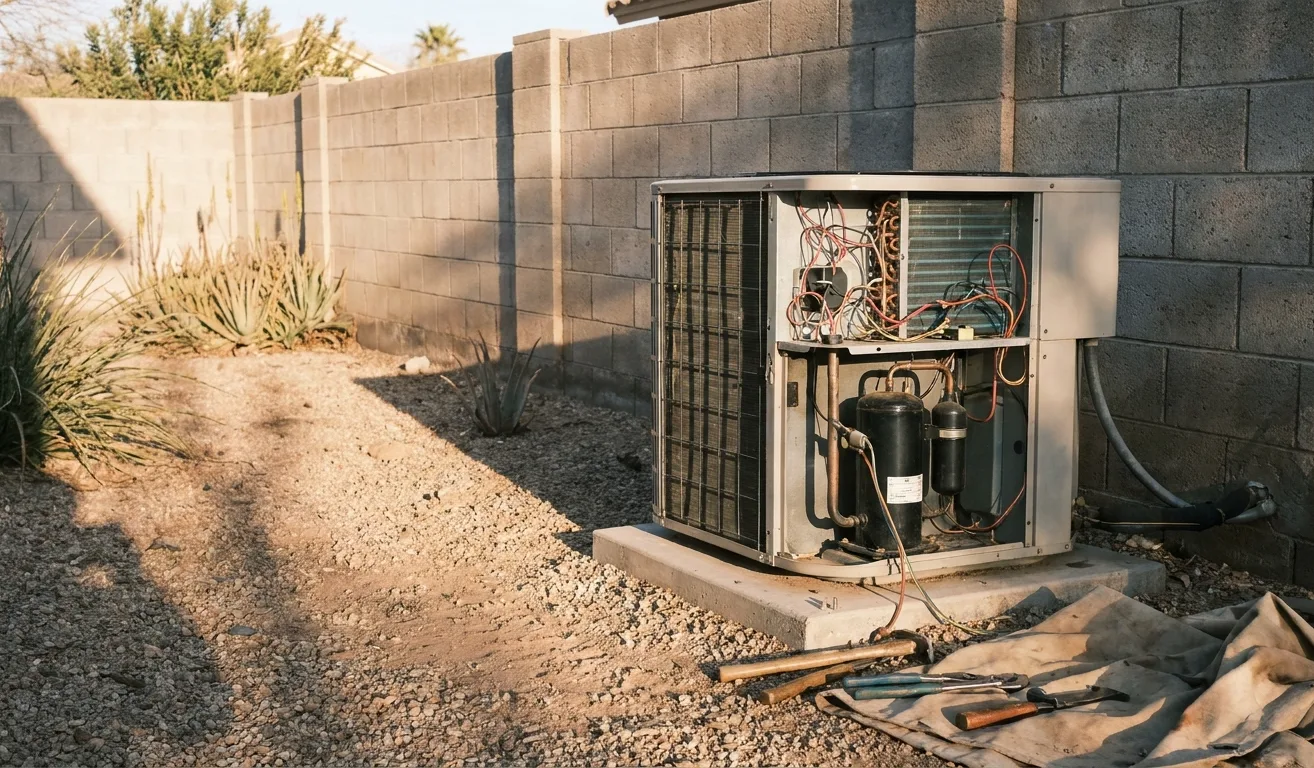
A heat pump on a gravel side yard

Heat Pump Repair

In heating mode the reversing valve and defrost board become critical. Ice HVAC checks the temperature differential across the outdoor coil during defrost cycles and tests the auxiliary heat strips for proper amp draw when outdoor temperatures drop below the balance point.

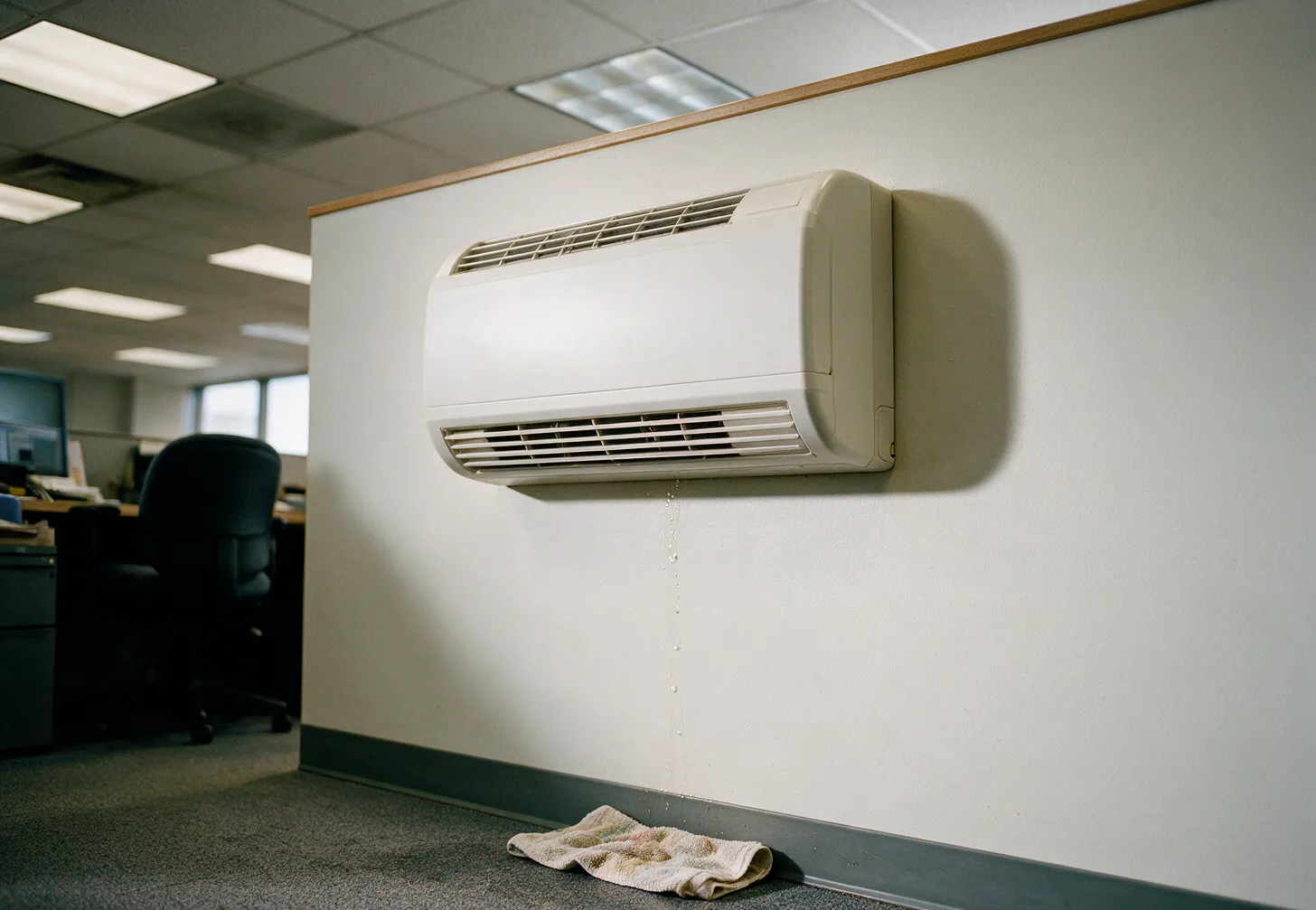
A dripping indoor head

Ductless Mini-Split Repair

These systems lose performance when the indoor blower wheel collects dust or the flare connections develop leaks. Technicians recover refrigerant, replace flare nuts if damaged, recharge by weight, and verify that both indoor and outdoor fans reach rated RPM.

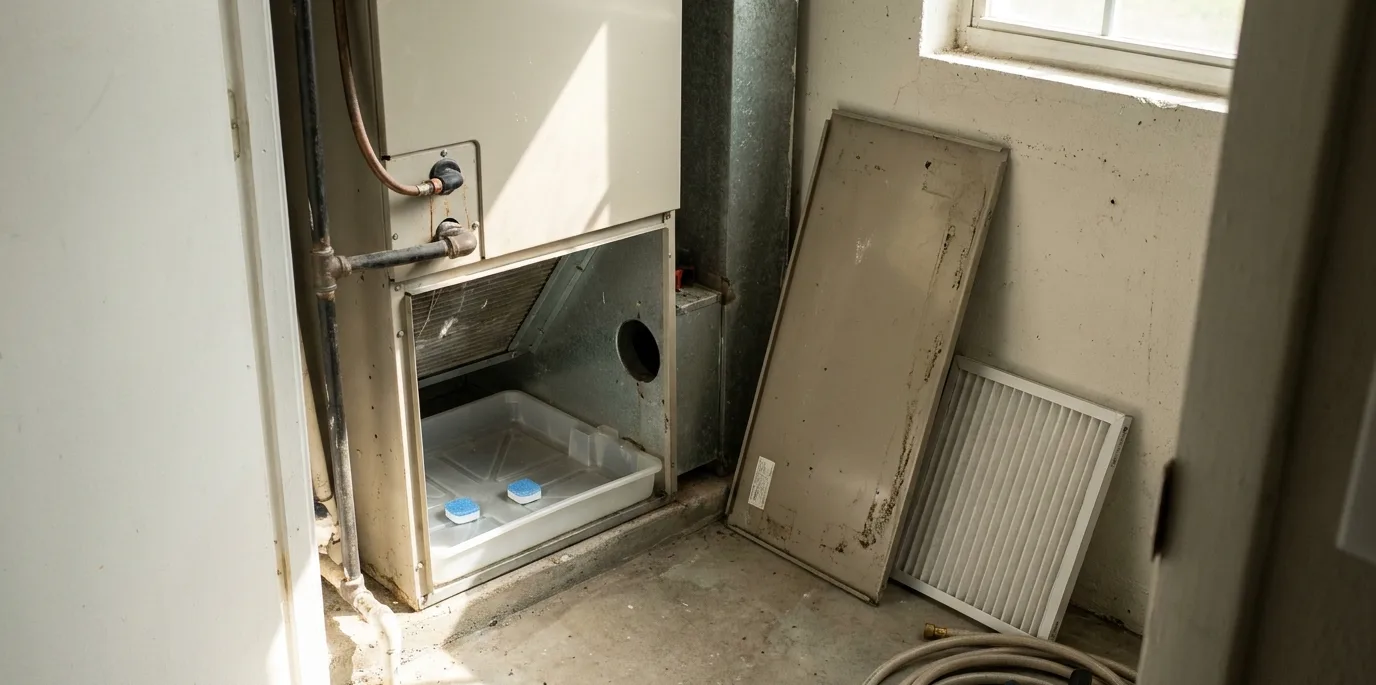
A clean drain pan with pan tablets

AC Maintenance

Preventive visits include measuring temperature split at the return and supply, cleaning the condensate drain with a wet vac, tightening electrical connections, and recording capacitor values so early degradation is caught before the next heat wave.

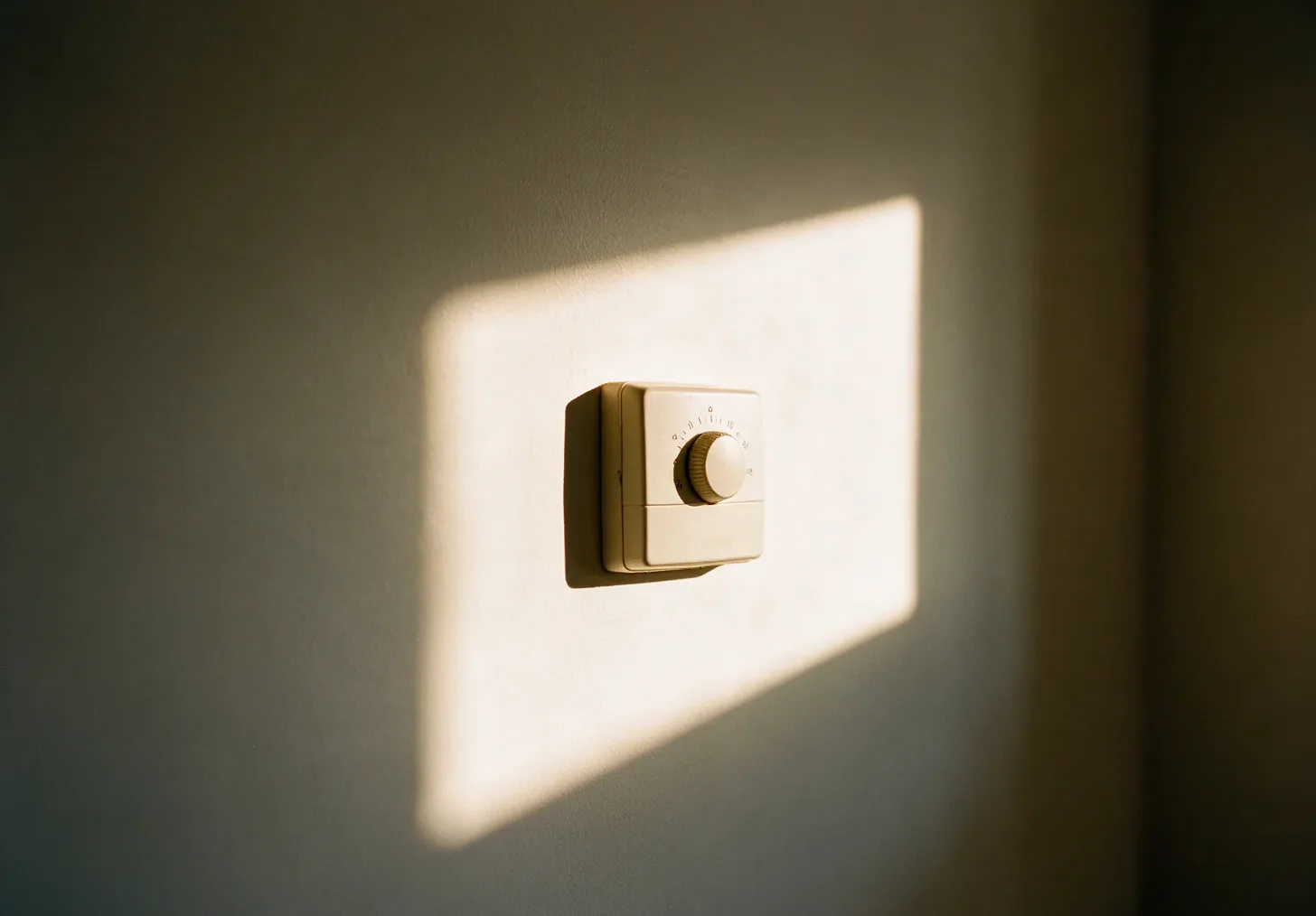
A thermostat in direct sun

Thermostat Repair

When the thermostat fails to call for cooling, crews test 24-volt power at the sub-base, confirm wire integrity back to the air handler, and replace units that no longer hold calibration or display accurate room temperature.

Matching symptoms to the correct service

Weak airflow at the vents with a clean filter usually points to a restricted evaporator coil or collapsed duct. A loud buzzing from the outdoor unit often indicates a failing capacitor or seized condenser fan motor. Ice HVAC asks homeowners to note these exact sounds and temperature readings before the technician arrives.

Hissing noises near the indoor unit combined with ice on the suction line suggest a refrigerant leak at the evaporator. Short cycling on the thermostat can stem from a miscalibrated sensor or low charge. Our technicians use these clues to decide which component requires testing first.

Talk to Ice HVAC

Call (888) 502-0473