
AC Maintenance in the USA
Ice HVAC technicians start every AC Maintenance visit by shutting down power at the disconnect and thermostat. They remove the access panels on both indoor and outdoor units. Refrigerant pressures are read on both sides of the system while the compressor runs. Supply and return air temperatures are measured to confirm proper delta T across the evaporator coil.
Next our technicians check the condition of the start and run capacitors with a multimeter. They inspect contactor points for pitting and measure amperage draw on the compressor and fan motors. Airflow is tested with a static pressure gauge across the filter and coil. Any restriction found here points directly to reduced cooling capacity in high heat. Serious heat demands quick ac maintenance attention by Ice HVAC crews across the country at AC Repair homepage.
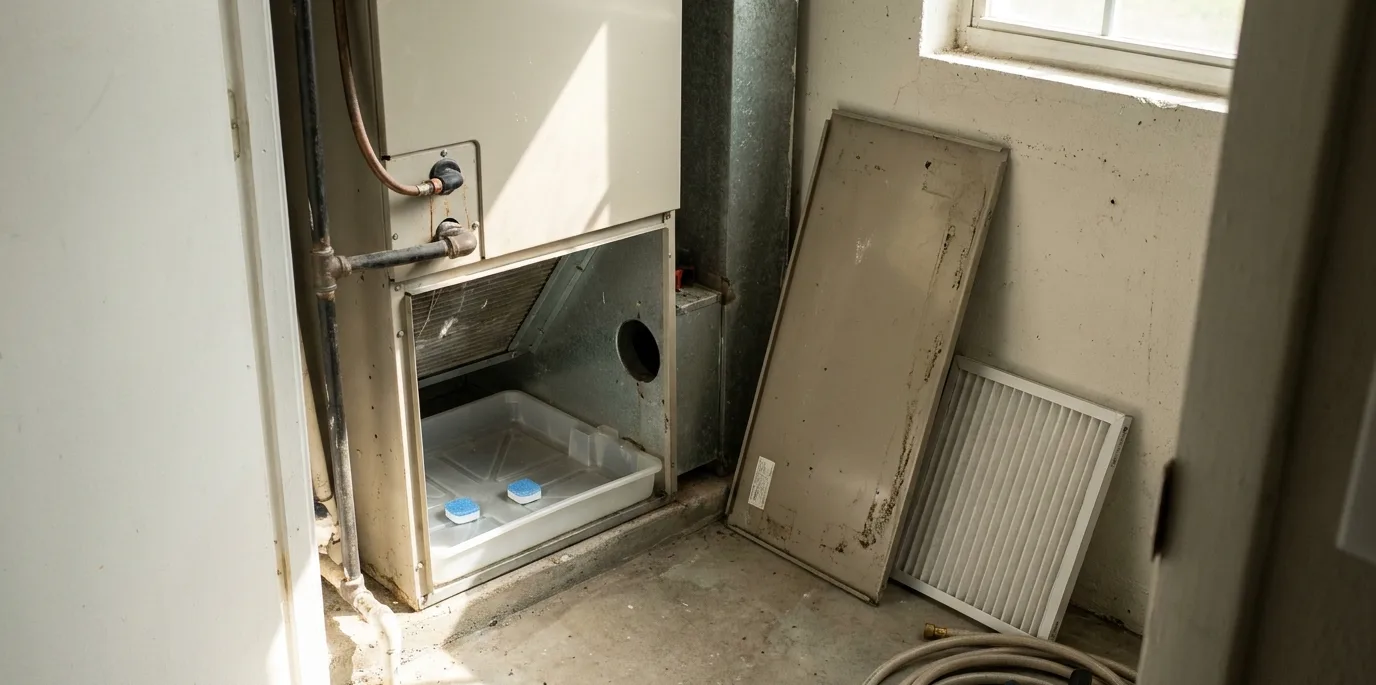
Warning Signs Before a Full Breakdown
- Warm air comes from supply vents even though the thermostat calls for cooling
- The outdoor unit runs constantly yet indoor temperatures keep climbing
- Ice forms on the suction line or evaporator coil during normal operation
- Short cycling occurs with the compressor starting and stopping every few minutes
- Unusual buzzing or clicking sounds come from the capacitor or contactor area
What Technicians Measure During AC Maintenance
Our technicians attach manifold gauges to read suction and discharge pressures against manufacturer specifications for the current outdoor temperature. They compare these readings to expected superheat and subcooling values. Low refrigerant shows up as high superheat and reduced cooling.
Capacitor testing uses a digital multimeter set to capacitance mode. Weak capacitors cause hard starting and higher amp draw. Motor amperage is checked under load to catch windings beginning to fail before they burn out completely.
Static pressure readings across the indoor coil and filter reveal airflow restrictions. High pressure drop means the coil needs cleaning or the filter is clogged. Restricted airflow raises head pressure and lowers efficiency in serious heat.
Common Issues Found on Coils and Refrigerant Lines
Dirt buildup on the condenser fins blocks heat rejection. Our technicians wash the coil from the inside out with a low-pressure hose and approved cleaner. This restores proper condensing temperature and prevents compressor overheating.
Evaporator coils collect moisture and dust that turns into mold or restricts airflow. During AC Maintenance the coil is inspected with a mirror and light. If buildup is heavy the coil is cleaned with a no-rinse solution designed for indoor use.
Refrigerant leaks often appear at flare fittings, service valves, or corroded copper lines. Technicians use an electronic leak detector and soap bubbles to locate them. Any leak found requires recovery, repair, and a full recharge to factory specifications.
Homeowner Checks Before the Technician Arrives
Homeowners can replace the air filter first. A dirty filter is the most common cause of low airflow and frozen coils. Use the correct size and MERV rating listed on the furnace or air handler.
Clear leaves, grass clippings, and debris from around the outdoor condenser. Keep at least two feet of clearance on all sides so the fan can pull air freely. Trim nearby shrubs that block airflow.
Listen for the compressor trying to start. If it hums but does not run, note the sound and how long it continues. This information helps technicians diagnose a bad capacitor or locked compressor before they open the unit.
Parts Replaced During Routine AC Maintenance
Capacitors are replaced when measured capacitance falls outside the rated microfarad range printed on the side. New capacitors restore proper starting torque and running amps. Technicians always match the exact voltage and microfarad rating.
Contactors are swapped when pitted or burned points are visible. A new contactor prevents intermittent operation and protects the compressor from voltage spikes. Coil voltage and pull-in amps are verified after installation.
Condensate drain lines are flushed with a nitrogen or CO2 blow gun. Standing water in the pan can trigger float switches and shut the system down. Clearing the line prevents water damage and repeated service calls in humid conditions.
AC Maintenance questions
How often should AC Maintenance be performed?
Ice HVAC recommends AC Maintenance once before the cooling season starts. This timing catches winter damage to the outdoor unit and allows refrigerant and electrical checks before temperatures climb. A second visit after heavy summer use can be scheduled if the system runs near capacity every day.
What does a refrigerant check include?
Technicians attach gauges, record pressures, calculate superheat and subcooling, and compare results to the data plate. If pressures are low they perform a leak search before adding refrigerant. Topping off without locating the leak leads to repeat visits and compressor damage.
Can homeowners clean the coils themselves?
Homeowners can rinse the condenser coil from the outside with a garden hose on low pressure. The evaporator coil inside the air handler requires coil cleaner and proper containment of runoff. Incorrect cleaning can bend fins or push debris deeper into the coil.
Why does the capacitor fail during maintenance checks?
Heat, age, and voltage spikes degrade the dielectric inside the capacitor. During AC Maintenance the part is tested under load. A weak capacitor shows lower microfarad readings and causes the compressor to draw higher amps, shortening motor life if left in place.
Book AC Maintenance Across the USA
Contact Ice HVAC to schedule AC Maintenance and keep refrigerant, coils, and airflow in proper range before heat peaks.