
Heat Pump Repair in the USA
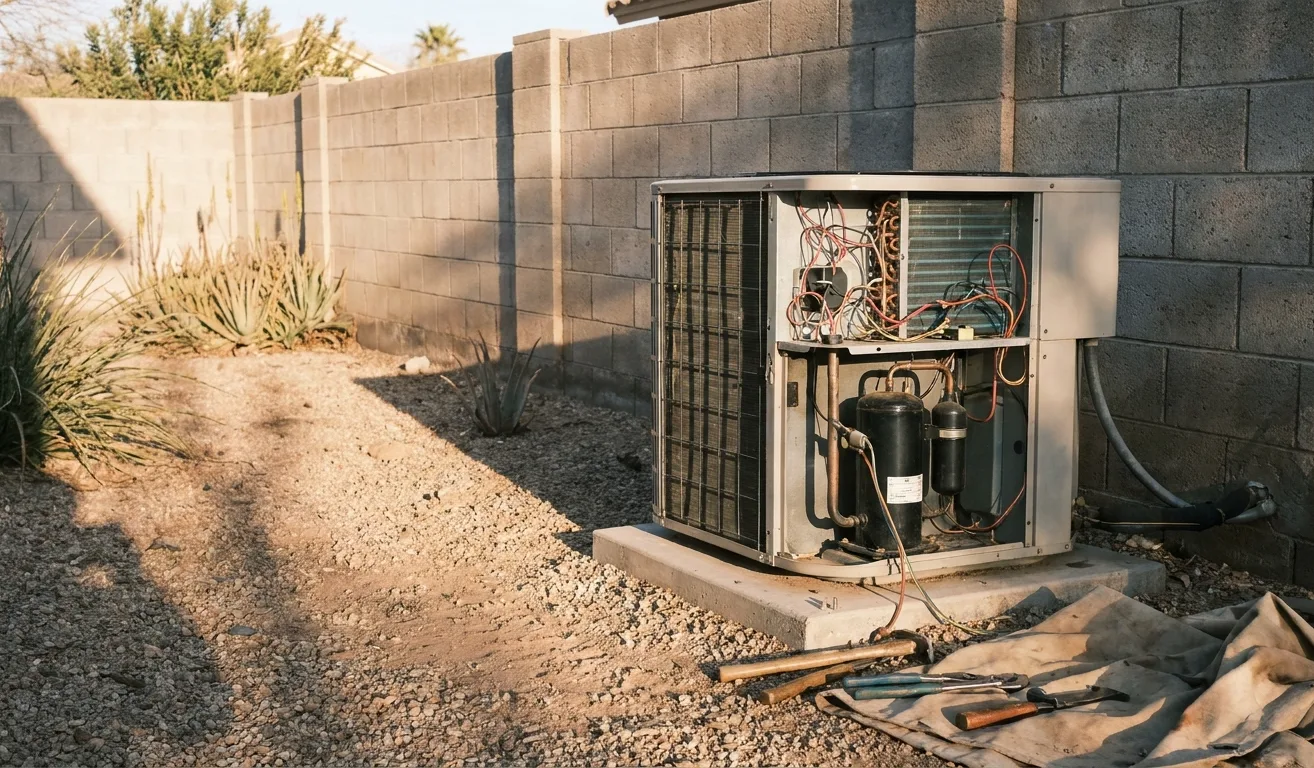
Heat pumps move refrigerant between indoor and outdoor coils to provide both heating and cooling. Ice HVAC technicians start by measuring suction and discharge pressures along with amperage draw on the compressor and fan motors. Low charge often traces to leaks at flare fittings or corrosion on the outdoor coil. A failed reversing valve prevents the system from switching modes and leaves the home without heat during cold snaps.
Technicians check the defrost control board and sensors that monitor coil temperature. When these components stop working the outdoor unit can ice over and shut down. Capacitors that weaken under load cause hard starting and tripped breakers. Airflow restrictions from dirty filters raise head pressure and reduce efficiency in both seasons. Refrigerant levels matter most when heat pump repair calls Ice HVAC technicians in USA to the homepage.
Warning Signs
- Outdoor unit stays in defrost too long or never initiates.
- Indoor air feels lukewarm during heating calls.
- System runs constantly yet fails to reach set temperature.
- Visible ice builds on the outdoor coil during mild weather.
- Breaker trips when the reversing valve tries to shift.
What Technicians Inspect
Our technicians measure voltage at the contactor and capacitor terminals first. They then attach gauges to verify proper refrigerant pressures for the current outdoor temperature. The reversing valve solenoid receives a voltage test while the board attempts a mode change. Defrost sensor resistance is checked against manufacturer specifications.
Coil fins are examined for dirt that blocks heat transfer. The auxiliary heat strips are tested for continuity and correct amperage. Any restriction in the liquid line drier shows up as a temperature drop across the filter. These steps isolate whether the issue sits in electrical controls, refrigerant circuit, or mechanical valve operation.
Common Repair Options
A leaking reversing valve requires recovery of refrigerant, component replacement, and system recharge with the correct oil and refrigerant type. Weak run capacitors are swapped for new units matched to the motor ratings. Defrost boards are replaced when they no longer send proper signals to the reversing valve and outdoor fan.
When the compressor shows low compression ratios it is replaced as a complete assembly. Evacuation to 500 microns follows every major repair to remove moisture. New filter driers are installed to protect the metering device. Ice HVAC carries common reversing valves and defrost sensors for standard heat pump models.
Homeowner Checks First
Replace the air filter if it shows heavy dust accumulation. Confirm the thermostat is set to heat mode and the temperature setpoint is above room temperature. Check that the outdoor disconnect switch remains in the on position and no debris blocks airflow around the condenser.
Listen for the outdoor fan running during a call for heat. Note any error codes displayed on the thermostat or control board. Avoid resetting breakers repeatedly as this can damage the compressor. These steps help determine whether a simple airflow issue exists before a technician arrives.
Parts and Materials Used
Replacement reversing valves match the original tonnage and refrigerant type. New defrost sensors carry the correct thermistor curve for accurate temperature readings. Run capacitors are selected by microfarad and voltage rating printed on the old part. Copper tubing and silver solder join lines during valve replacement.
Recovery cylinders hold the refrigerant while work proceeds. Vacuum pumps remove air and moisture to the required level. Nitrogen is used during brazing to prevent oxidation inside the tubing. All fittings receive new o-rings or gaskets to stop future leaks.
Heat Pump Repair questions
Why does my heat pump blow cold air in heating mode?
A stuck reversing valve or low refrigerant charge prevents the system from absorbing heat from outdoor air. Technicians measure pressures and test the solenoid to confirm the valve position. Correcting the charge or replacing the valve restores heating output.
What causes ice on the outdoor coil in mild weather?
Failed defrost sensors or a faulty control board keep the unit from entering defrost. Restricted airflow across the coil also lowers surface temperature. Technicians test sensor resistance and clean the coil to restore normal operation.
Can a bad capacitor stop heat pump heating?
Yes. A weak capacitor prevents the compressor or outdoor fan from starting under load. Voltage and capacitance tests identify the failure. Replacement restores full motor torque and allows the heating cycle to begin.
How do technicians confirm a reversing valve needs replacement?
They check voltage to the solenoid and observe whether the valve shifts when the mode changes. Temperature differences across the valve ports during operation reveal internal leakage. Replacement requires refrigerant recovery and proper brazing technique.
Schedule Heat Pump Repair
Ice HVAC technicians locate reversing valve and defrost faults across the USA and restore heat pump performance with correct parts and refrigerant handling.