
 01
AC Installation
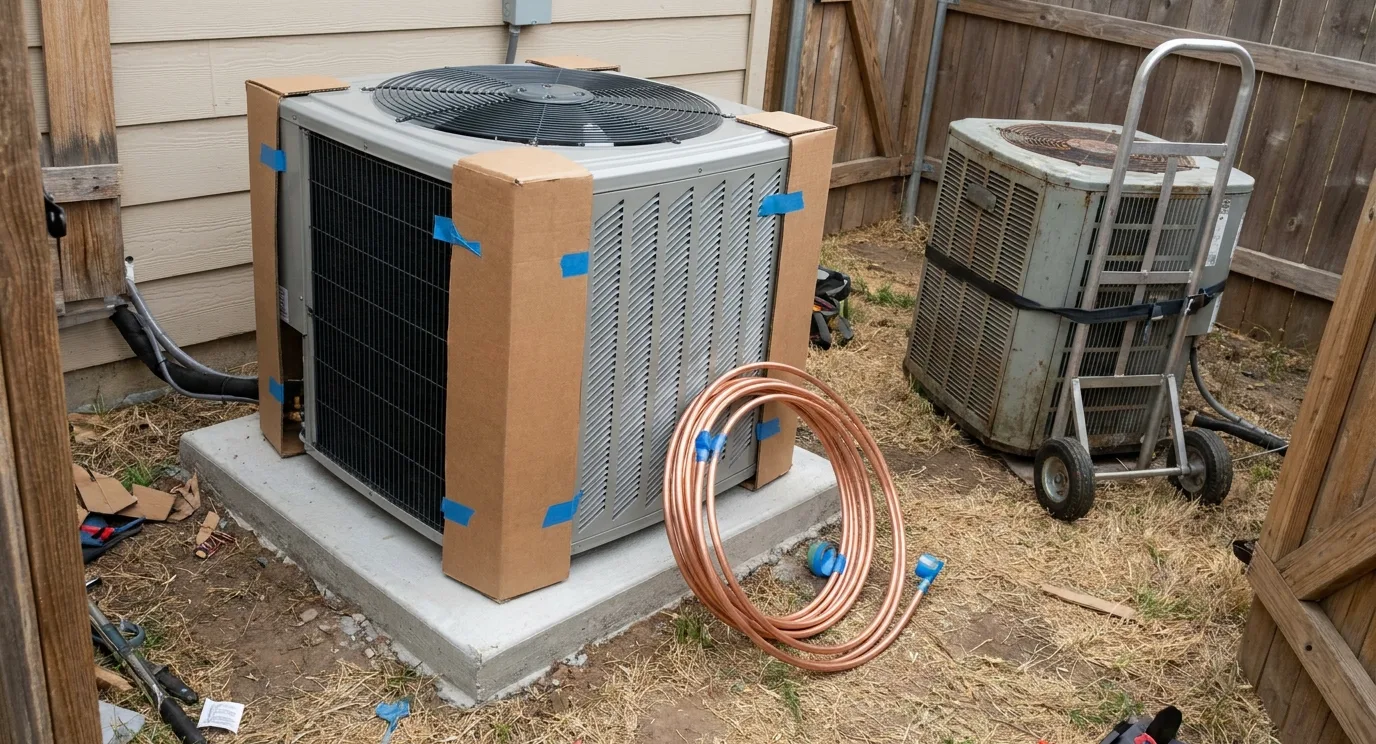
New systems are sized by Manual J load calculation. We set the outdoor pad level, pull correct line set vacuum and charge to factory superheat values for the measured indoor wet bulb.

HVAC · the USA
Ice HVAC sends technicians nationwide to diagnose failing air conditioners. We measure pressures, check capacitors and clear blocked airflow before heat builds inside the home.
Technicians connect gauges to verify refrigerant levels and locate any drop that signals a leak in the sealed circuit.
We test run capacitors and contactors with a multimeter to confirm they still hold the charge needed for compressor start.
Filters, blower wheels and duct restrictions are inspected so the evaporator receives the correct volume of return air.
Ice HVAC addresses the most common causes of lost cooling. Each service targets a specific component so the system returns to design performance without unnecessary part swaps.
01New systems are sized by Manual J load calculation. We set the outdoor pad level, pull correct line set vacuum and charge to factory superheat values for the measured indoor wet bulb.
 02
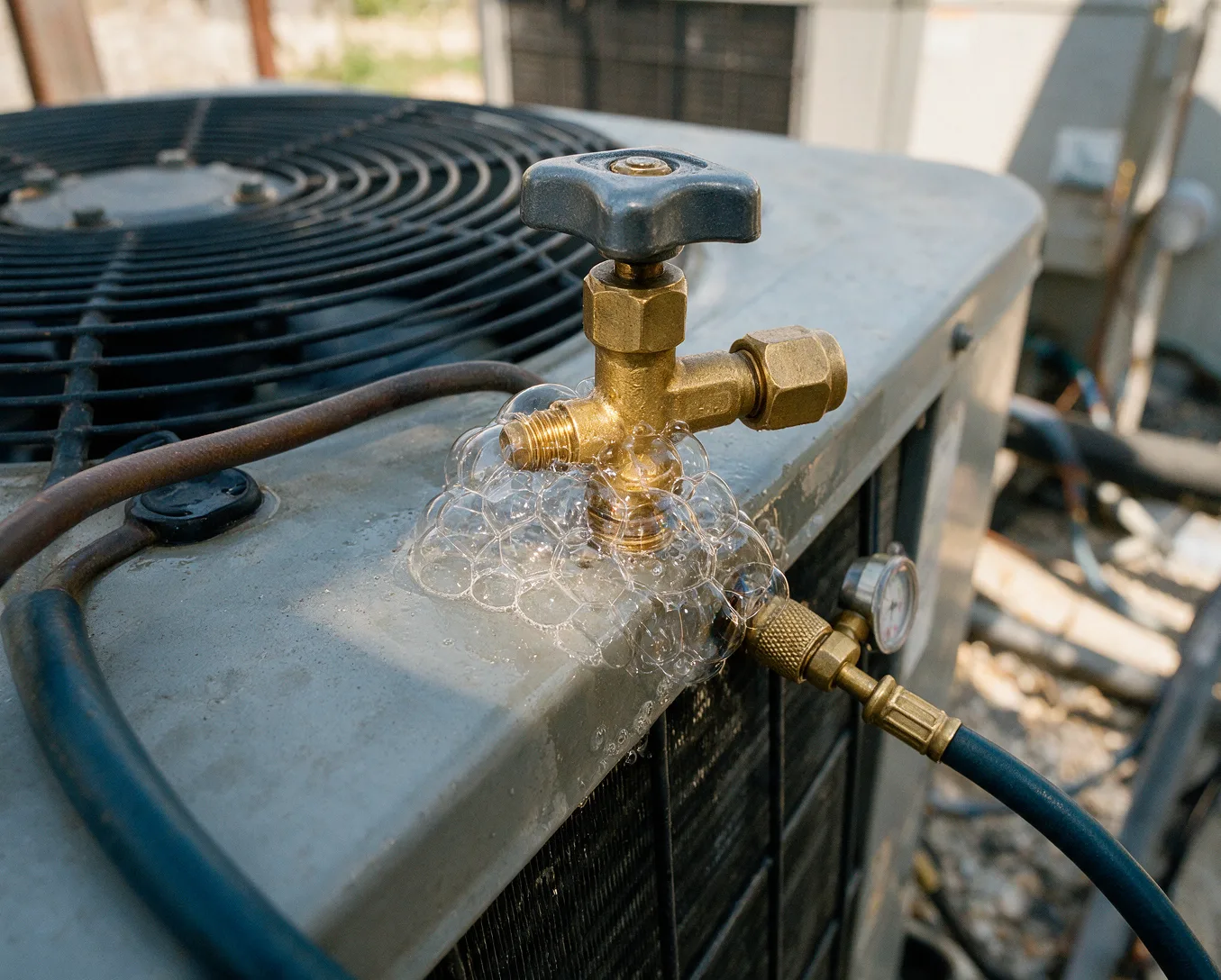
Leaks are found with electronic sniffers and nitrogen pressure tests. After repair the circuit is evacuated below 500 microns before the proper refrigerant type and weight are restored.
 03
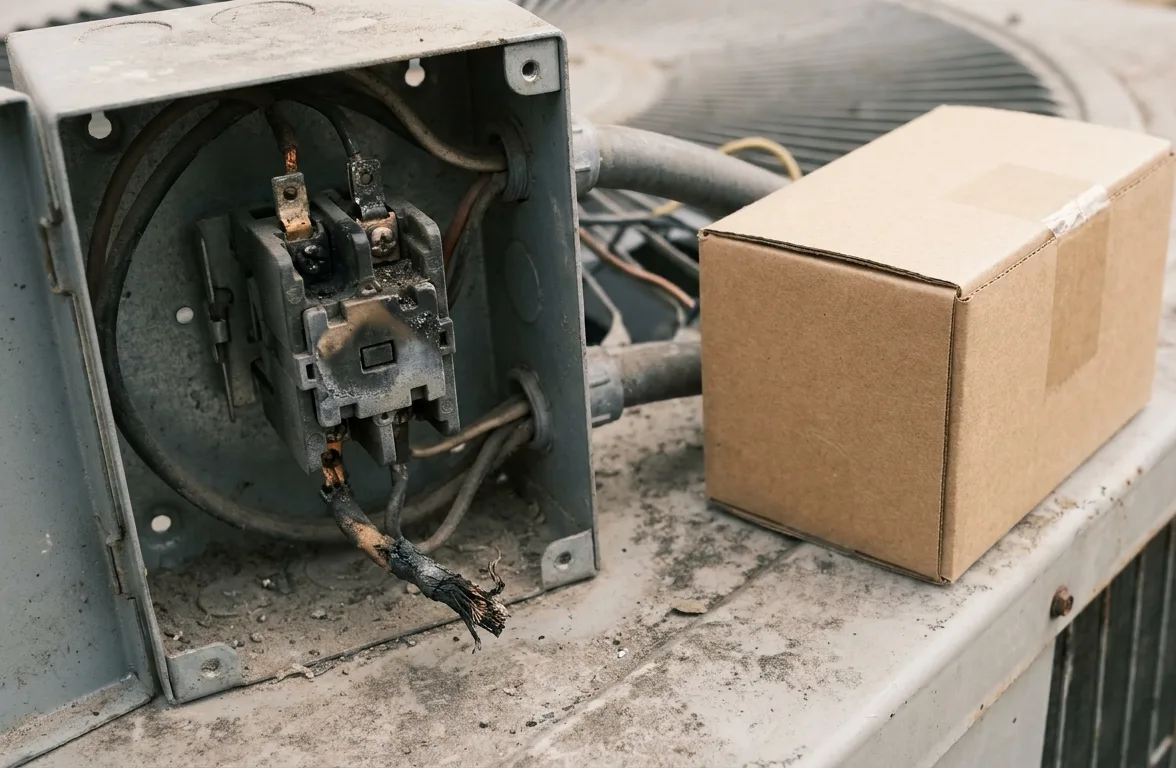
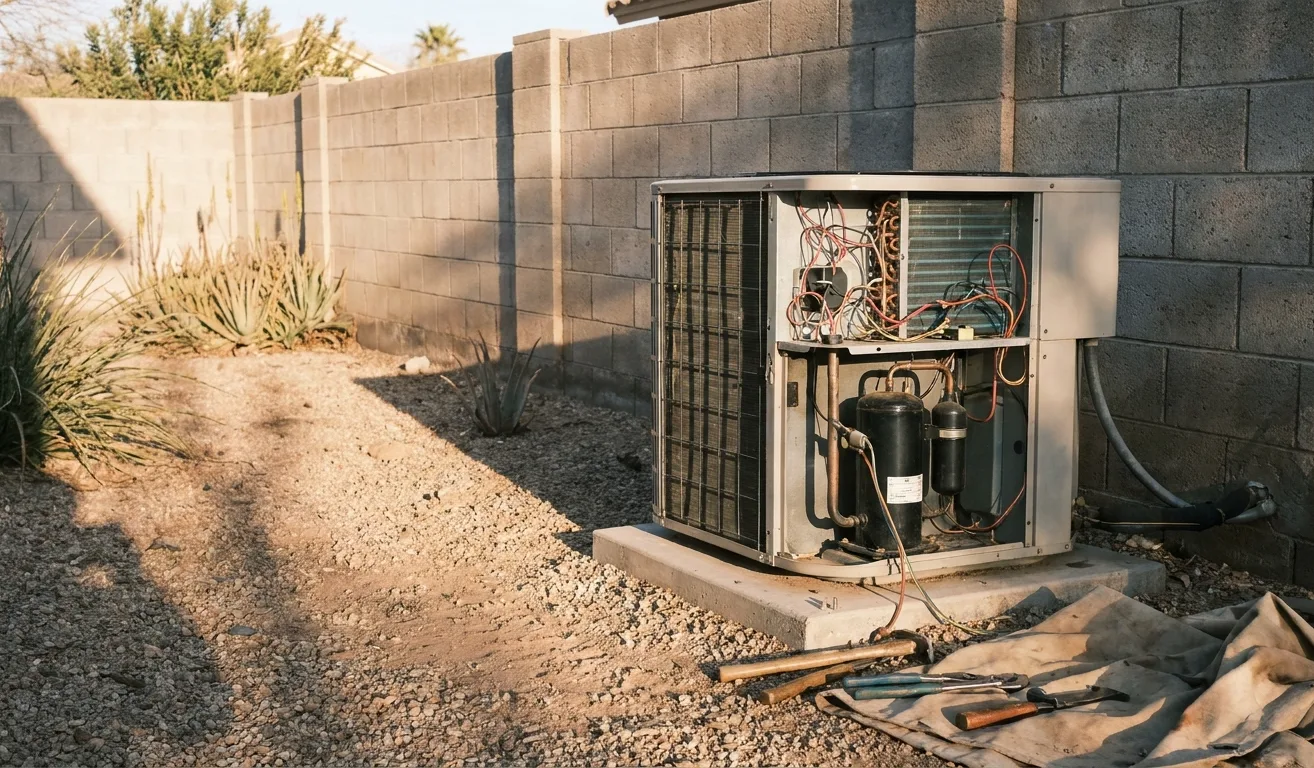
Fan motors, coils and contactors are examined for heat damage. Bent fins are straightened and debris is cleared so condensing temperature stays within ten degrees of ambient.
 04
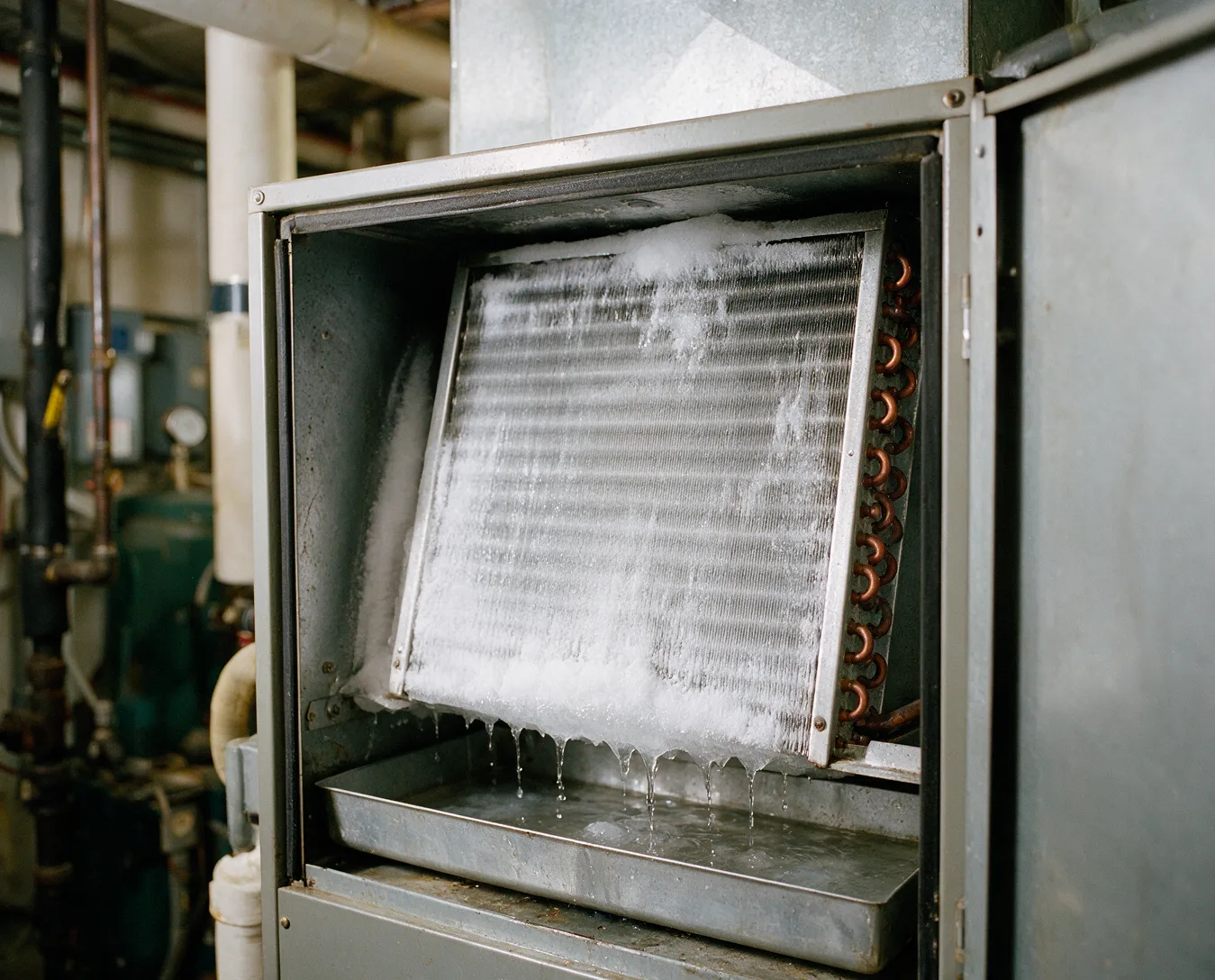
Access panels are opened to inspect for frost patterns that indicate low charge or restricted airflow. Coils are cleaned with no-rinse solution when dirt blocks heat transfer.
 05
Reversing valves and defrost boards are tested in both modes. We verify the auxiliary heat strips engage only when outdoor temperature drops below the balance point.
 06
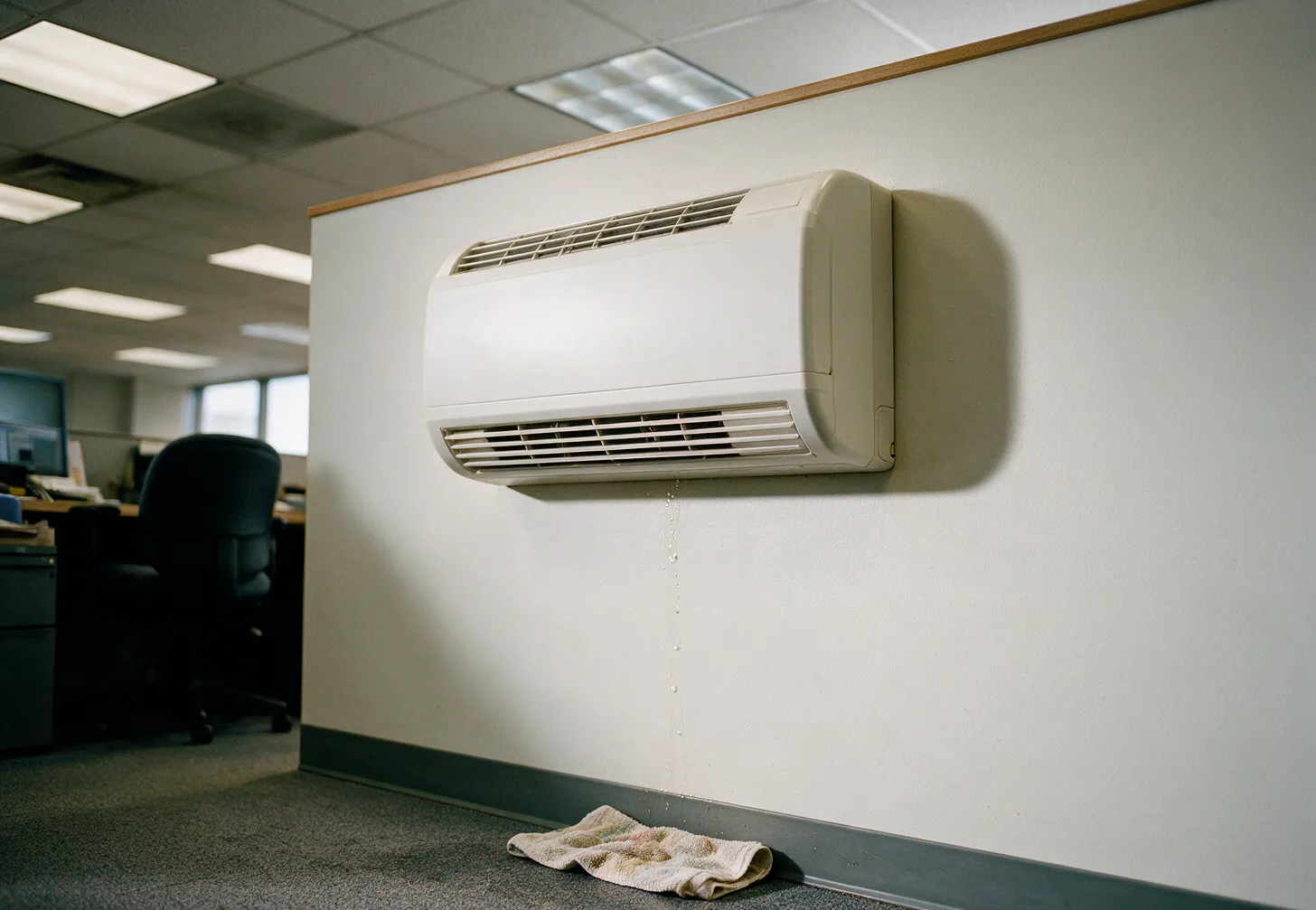
Indoor cassette filters and outdoor coils are cleaned first. Error codes are read to isolate inverter board faults or EEV sticking before any component replacement.
 07
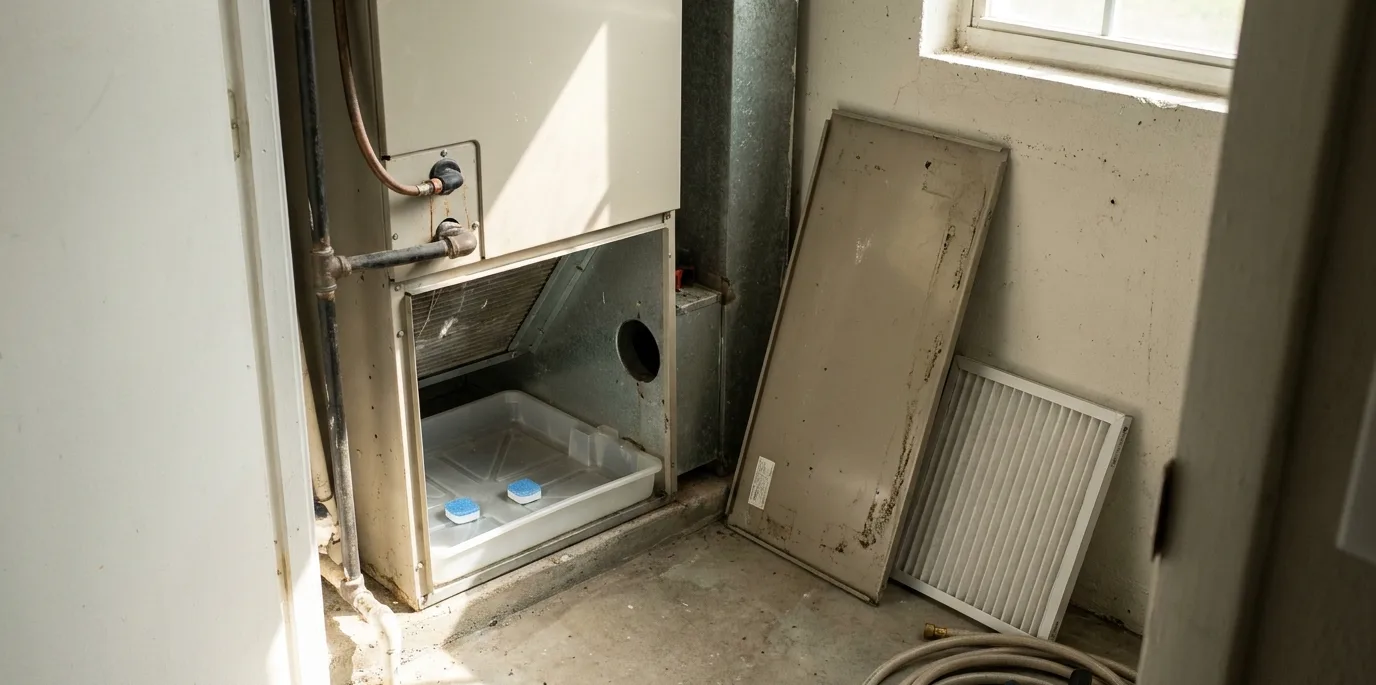
Seasonal visits include capacitor testing, drain line flush, static pressure measurement and refrigerant charge verification against superheat or subcooling targets.
 08
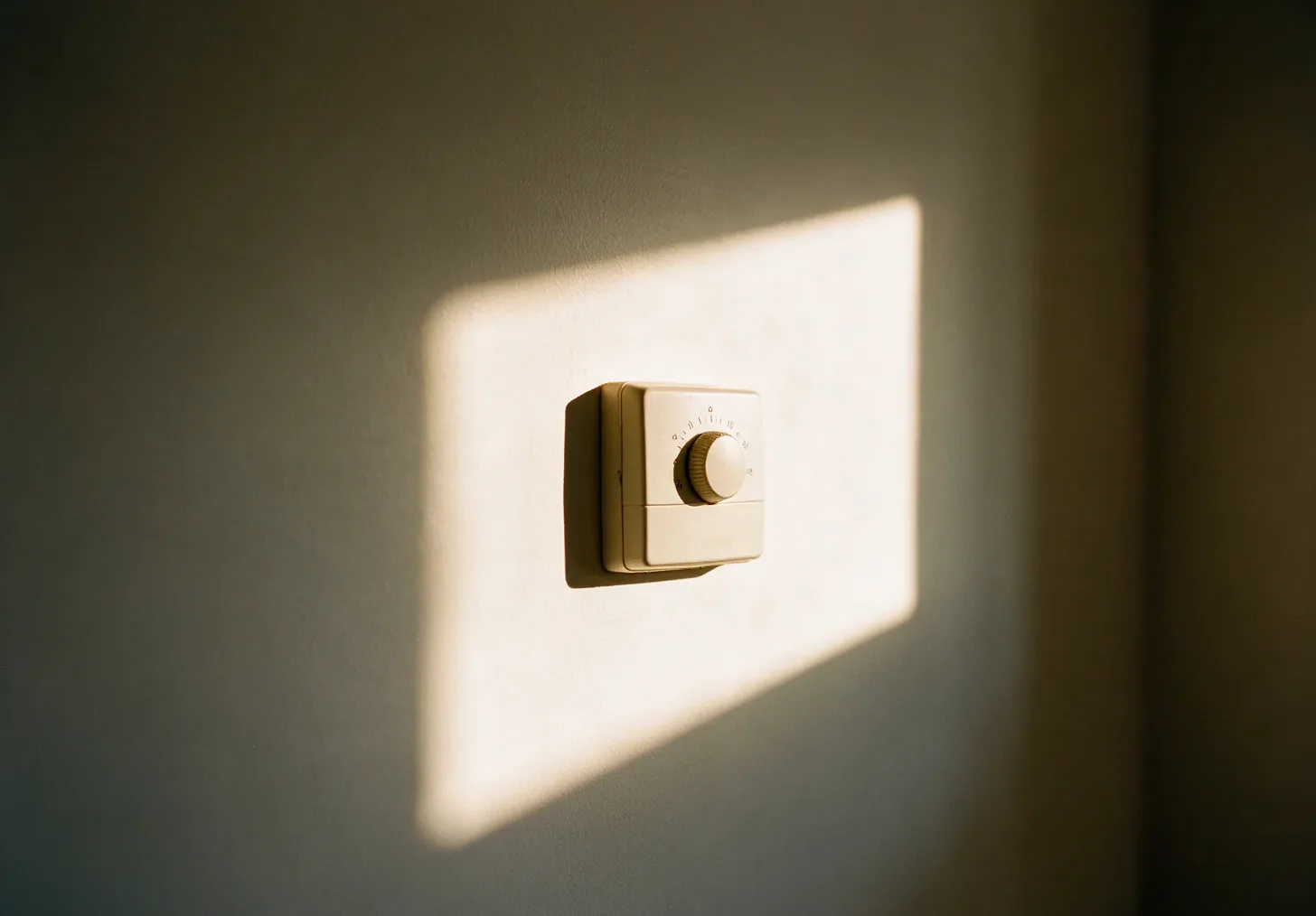
Wiring is checked at both ends for loose connections. Calibration is confirmed against a separate thermometer and anticipator settings are adjusted for the installed equipment.
Warm supply air, short cycling and ice on the suction line all point to one of three root causes. Low refrigerant, failing capacitors or blocked airflow each produce measurable symptoms our technicians read with gauges and meters. Homeowners can safely check the thermostat setting and replace the air filter before calling.
Turn the thermostat to off and the breaker to off if the outdoor unit hums but the fan does not spin. This prevents compressor damage from a bad capacitor. Do not attempt to add refrigerant or open panels beyond the filter compartment.

A clear sequence keeps every visit efficient. Measurements come first, then targeted repairs that match the data collected on site.
The outdoor disconnect and indoor breaker are verified off. Personal protective equipment is worn while the system is inspected for immediate hazards such as exposed wiring.
Suction pressure, superheat, subcooling and capacitor microfarad values are recorded. These numbers identify whether the issue is charge, electrical or airflow related.
Failed parts are replaced only after the root cause is confirmed. Line sets are pressure tested again before the system is restarted and rechecked under load.
Supply and return temperatures are measured along with amp draw to confirm the unit now meets expected performance before the technician leaves the property.
Technicians first record suction and liquid pressures, then amp draw on the compressor and fan motors. Coils are examined for dirt or damage while the blower is checked for proper static pressure. Only after these readings is a repair plan confirmed with the homeowner.
When the compressor still meets its rated amps and the coil shows no widespread corrosion, repair is usually chosen. Age of the system, cost of major components and efficiency of the existing equipment are weighed together before any recommendation is made.
The amount of refrigerant recovered, the type of component that failed and the time required to reach and repair the leak or electrical fault all change the final invoice. Systems with restricted access or non-standard refrigerant add steps that increase labor. Older units may need additional nitrogen and vacuum time to confirm the circuit is sealed after a repair. Technicians explain each line item on site once the exact fault is isolated so the owner understands the scope before work begins.
Older duct systems often have higher static pressure that reduces capacity. Technicians measure and report these conditions so owners understand the limits of the existing infrastructure. In rental properties the focus stays on restoring basic cooling without altering landlord-owned equipment.
Low refrigerant from a leak, a failed run capacitor or severely restricted airflow through a dirty filter or coil are the three most common causes. Each requires different tools to confirm before any fix is applied.
A single reset is acceptable if the unit trips once after a power surge. Repeated trips indicate an electrical short or seized compressor that needs diagnosis before the breaker is left on.
Standard one-inch filters need replacement every thirty days during heavy cooling use. Pleated or higher MERV filters can last up to ninety days but must be checked monthly for visible dirt buildup.
Ice forms when the evaporator coil temperature drops below freezing, usually from low refrigerant or very low airflow. Continued operation can damage the compressor and requires immediate shutdown.
Run capacitors degrade from heat and age. When capacitance drops below eighty percent of rated value the compressor struggles to start and may overheat or short cycle.
Superheat confirms the evaporator is not starving or flooding. Subcooling verifies the condenser is fully rejecting heat. Both readings guide the exact charge adjustment needed.
Ice HVAC dispatches technicians across the USA to restore cooling when refrigerant, capacitors or airflow cause sudden loss of air conditioning.